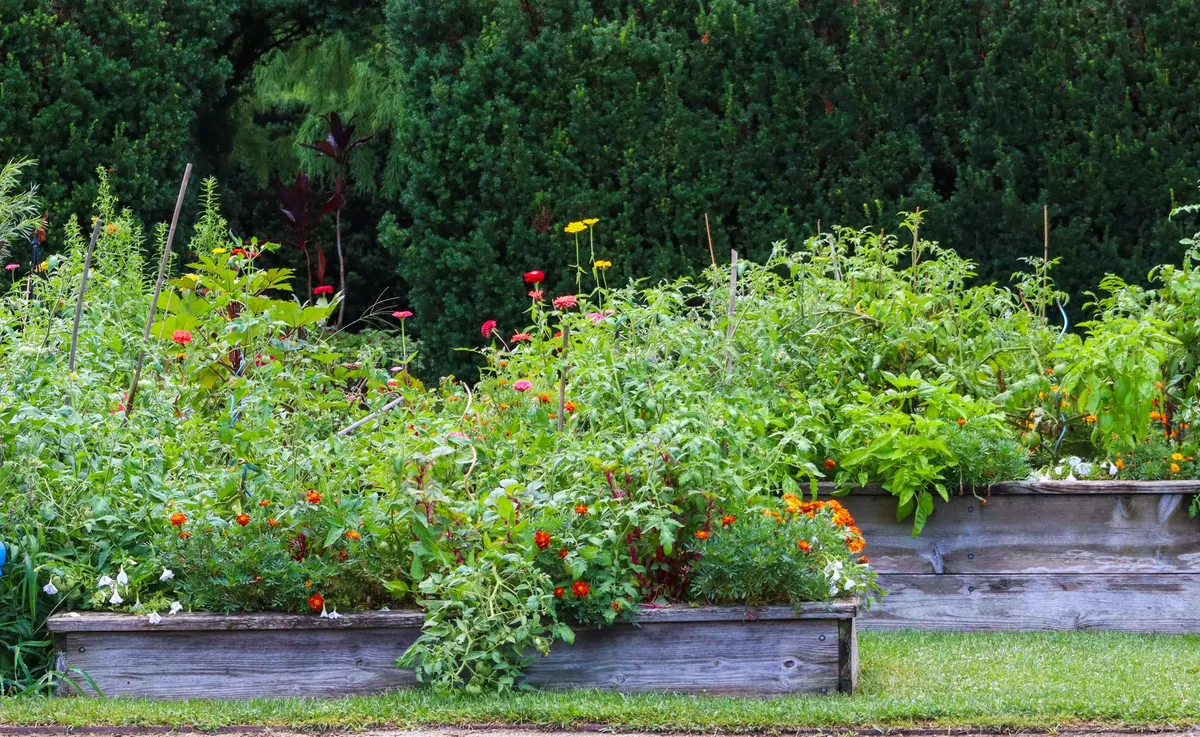
Two neighbors plant the same tomato seedlings on the same weekend in May. By August, one is filling a colander from a waist-high box of compost, and the other is crawling through quackgrass to rescue four split fruits. Neither gardener did anything wrong. They simply chose different growing methods, and every method comes with trade-offs you live with all season.
There is no single better option. There is only the one that fits your soil, your budget, your body, and the hours you can spare. Here is how to weigh raised beds against in-ground planting without romanticizing either.
What Each Method Really Asks of You
In-ground planting uses the soil you already have. You improve it with compost, leaves, aged manure, cover crops, and time. The plot can be as big as your space and water bill allow. You can plant in rows or in wide beds, no-till or with a tiller, and you never have to buy lumber or haul a cubic yard of soil blend up a driveway.
A raised bed is a container without a bottom, sitting on top of the ground. You build a frame, line the bottom with hardware cloth if voles and moles are a problem, and fill it with a mix of topsoil and compost. A 4-by-8-foot bed that is 10 inches deep takes roughly a cubic yard of fill, which is both a real expense and a real workout. In exchange, you control what your plants grow in from day one.
Cost: Money Up Front, Work Over Time
Raised beds front-load the spending. Lumber, screws, hardware cloth, and fill add up quickly, and if you choose untreated wood, you may be rebuilding in several years. Rot-resistant species and thicker boards last longer but cost more. Check local guidance on treated lumber if you plan to grow food, since rules and recommendations differ by region.
In-ground beds are cheap to start but rarely stay cheap. You still buy compost, mulch, and seeds, and poor soil can take several seasons of amending before it grows anything worth harvesting.
The honest comparison is not only dollars. A raised bed can be built and planted in a weekend. An in-ground plot on heavy clay might take two or three years of cover cropping and compost before it produces a decent carrot.
Drainage, Temperature, and the Root Zone
This is where the choice gets personal, because climate and soil type decide more than preference does.
- Wet, heavy clay or a low spot that puddles: raised beds win. Roots sit above the waterlogged layer.
- Hot, dry summers with limited irrigation: in-ground usually wins. Native soil holds moisture longer than a raised box.
- Short growing season: raised beds warm earlier in spring, so you can plant sooner and harvest later into fall.
- Cold winters: raised beds freeze harder and faster, which matters for overwintering perennials and garlic.
One more detail worth planning for: raised beds dry out fast in July. If you travel in summer or water by hand, install drip irrigation or expect to water most days.
Weeds, Pests, and Maintenance
A fresh soil mix contains few weed seeds, and the loose texture makes hand-pulling easy. That advantage fades if you let weeds drop seed for a full season. In-ground plots usually start with a seed bank that has been accumulating for years; bindweed and quackgrass can take multiple seasons of mulching and smothering to reduce.
Raised beds do not automatically solve pests. Rabbits, groundhogs, and deer still reach them, and voles happily tunnel up from below. Slugs and earwigs like the damp edges of wooden frames.
No method removes the work. It only changes where the work happens and how pleasant it feels.
Accessibility and Comfort
For anyone with a stiff back, a complaining knee, or limited stamina, height matters more than yield. A bed 24 to 30 inches tall lets most people work standing or from a stool. A knee-high bed works if you prefer to sit on the edge. Keep beds three to four feet wide so you can reach the center without stepping in, and leave paths at least three feet across, wider if you use a wheelchair or walker. If a health condition affects your mobility, lifting, or balance, talk with a doctor or occupational therapist before you build, so the heights suit your body rather than a photo you saw once.
When In-Ground Planting Makes More Sense
Crops that demand space, such as corn, potatoes, winter squash, and pumpkins, are awkward and expensive in raised beds. In-ground planting also suits gardeners with a large area, a tight budget, or soil that is already deep and workable. It handles a missed watering better in midsummer, and it blends into a landscape in a way a row of wooden boxes never will. If you rent, check with your landlord before digging, and lean toward beds or containers you can take with you.
The Hybrid Approach
Most experienced gardeners end up doing both. Use raised beds near the door for salad greens, herbs, carrots, and anything you harvest often. Put corn, potatoes, and sprawling squash in the ground, or grow them in large containers if space is tight. This also lets you test your native soil without betting a whole season on it.
A Quick Decision Checklist
- Dig a test hole and fill it with water. Does it drain within a few hours, or sit for a day?
- Track your sunlight. Most vegetables want six to eight hours of direct sun.
- Set a realistic budget, including fill, irrigation, and eventual repairs.
- Consider your schedule and your body, not just your ambitions.
- Start small: one 4-by-8 in-ground plot or two 4-by-4 raised beds.
- Grow the same crop in both if you can, and keep notes through the season.
- Improve soil either way. Compost, mulch, and cover crops pay off in both systems.
Start Small and Adjust
The best first step is not a truckload of lumber or a rented tiller. It is a single bed, a few bags of compost, and one season of paying attention. Watch how the soil behaves after rain, how often you actually water, and whether you enjoy tending the plot. Then expand next year in the direction that worked.
Whatever you choose, feed the soil, mulch the surface, water deeply and less often, and write things down. Your garden will tell you what it needs if you give it a season to answer.
Photo: Karen F / Pexels